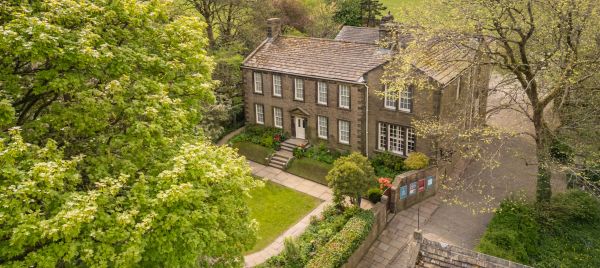
Undaunted by the rain, our Literature A level students have enjoyed a few days exploring the beautiful village of Haworth, home of the famous authors, Emily, Charlotte and Anne Brontë.
Charlotte, Emily, and Anne Brontë were born in the small, Yorkshire town in the early 1800s. They would go on to write some of the most extraordinary novels in the history of English literature. Between them, Charlotte, Emily, and Anne Brontë wrote seven books, including ‘Jane Eyre’, ‘Wuthering Heights’, and ‘The Tenant of Wildfell Hall’ respectively. They penned their novels in the Parsonage – now the Brontë Parsonage Museum – which have had a lasting legacy on writing and creative industries to this day; even some of Taylor Swift’s lyrics pay homage to their writing.
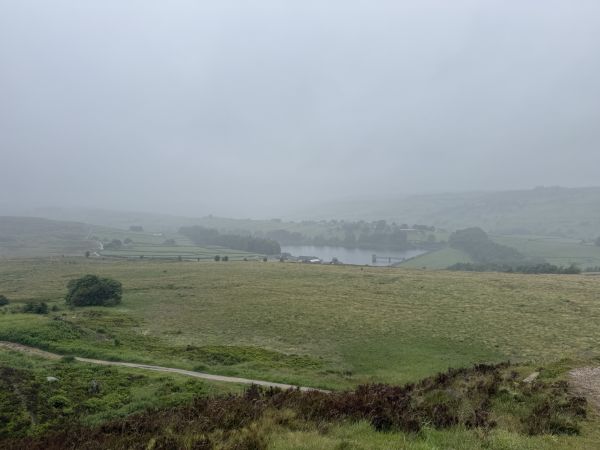
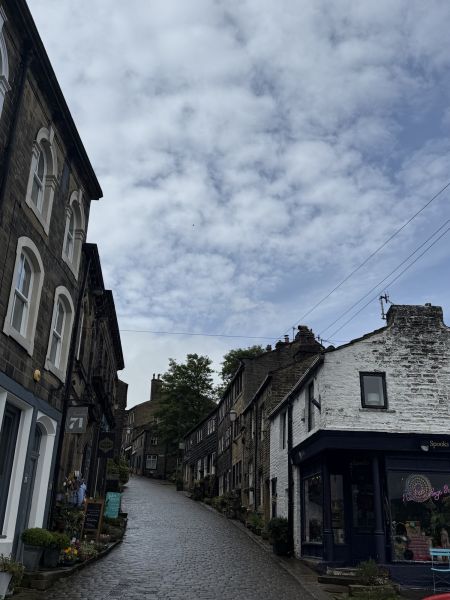
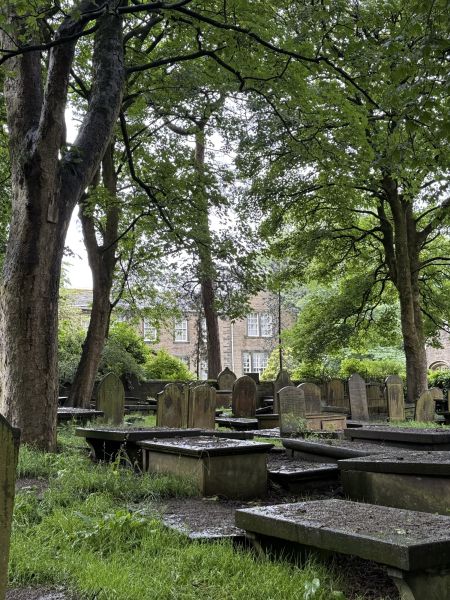
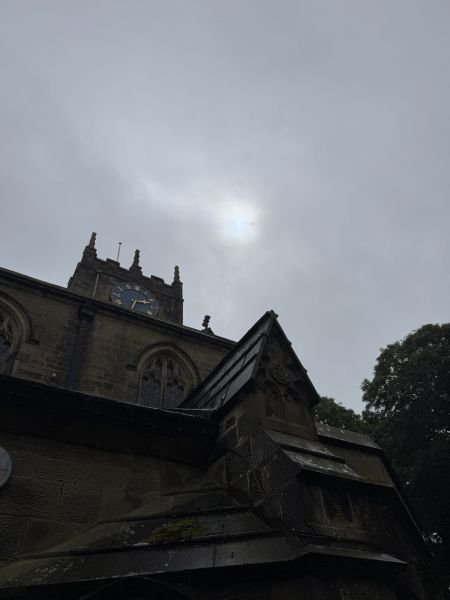
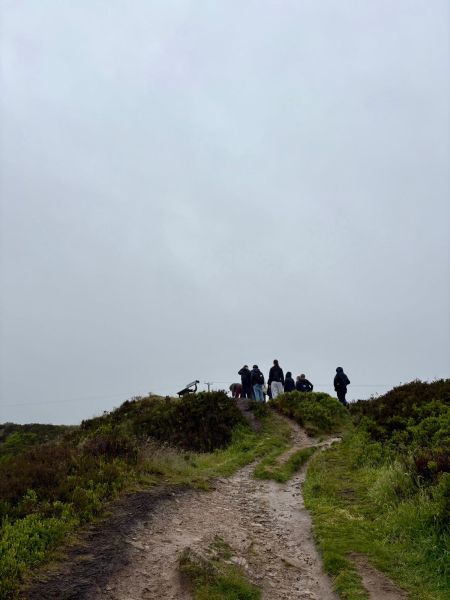
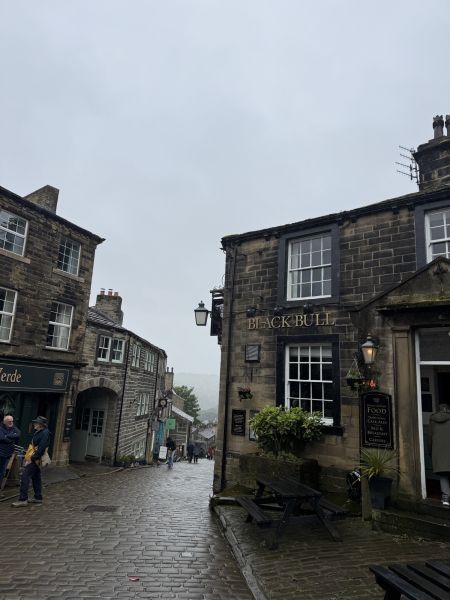
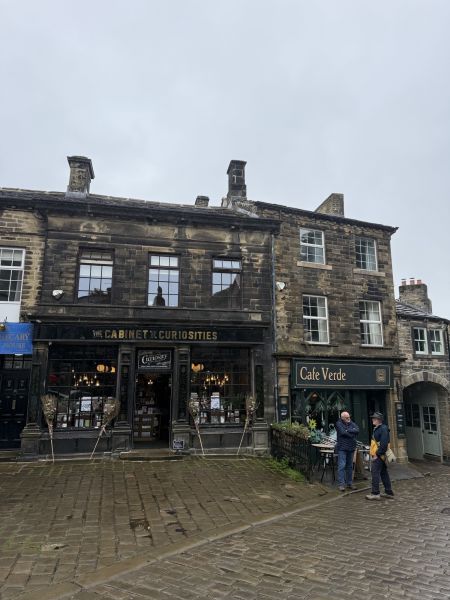
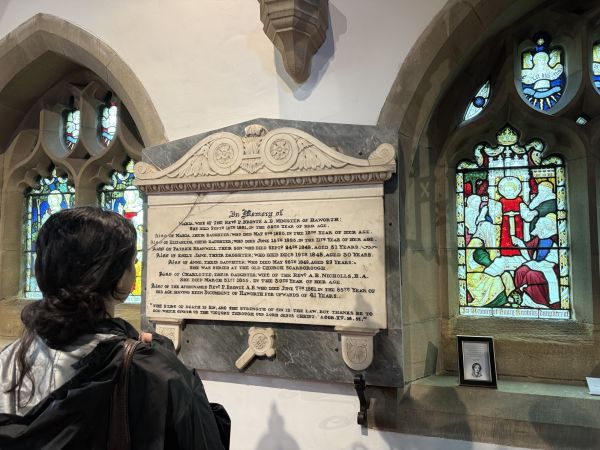
On arrival, students explored the village and surrounding moorland as well as the church and its memorial to this incredible family of writers, including their father, Patrick Brontë, who served as reverend at the church for most of his life, outliving all of his children. The group also walked to Penistone Crags for a misty moorland view of the spot where Hareton Earnshaw (Wuthering Heights) takes young Cathy to see ‘the fairishes’. Sadly, the fairies were hiding from the rain, but the atmosphere was suitably gothic. Students also enjoyed wandering the cobbled main street, enjoying the gorgeous independent bookshops and souvenir shops.
On their second day, students had the chance to visit the Parsonage itself, looking at the rooms where the talented young Brontes first began their writing journeys – and the sofa where Emily died from tuberculosis. The house also showcases many artefacts, including Charlotte Bronte’s writing desk and homemade dresses, Emily Bronte’s beautiful drawings and the enormous brass collar of her favourite dog ‘Keeper’, as well as their early fantasy stories written in such tiny handwriting that they are virtually impossible to read. There were two expert lectures – one on the context of the Brontes’ lives and the influences for ‘Wuthering Heights’ and the other exploring critical reactions and interpretations of the novel. Our students did themselves proud, with the lecturer commenting afterwards to staff that they were the ‘best group’ he had ever had – particularly for their engagement and thoughtful questions.
An atmospheric and informative trip for our literature students (and staff) who thoroughly enjoyed and absorbed all there was to see and learn. Thank you to all involved.